What is a VPN kill switch and why do users rely on it
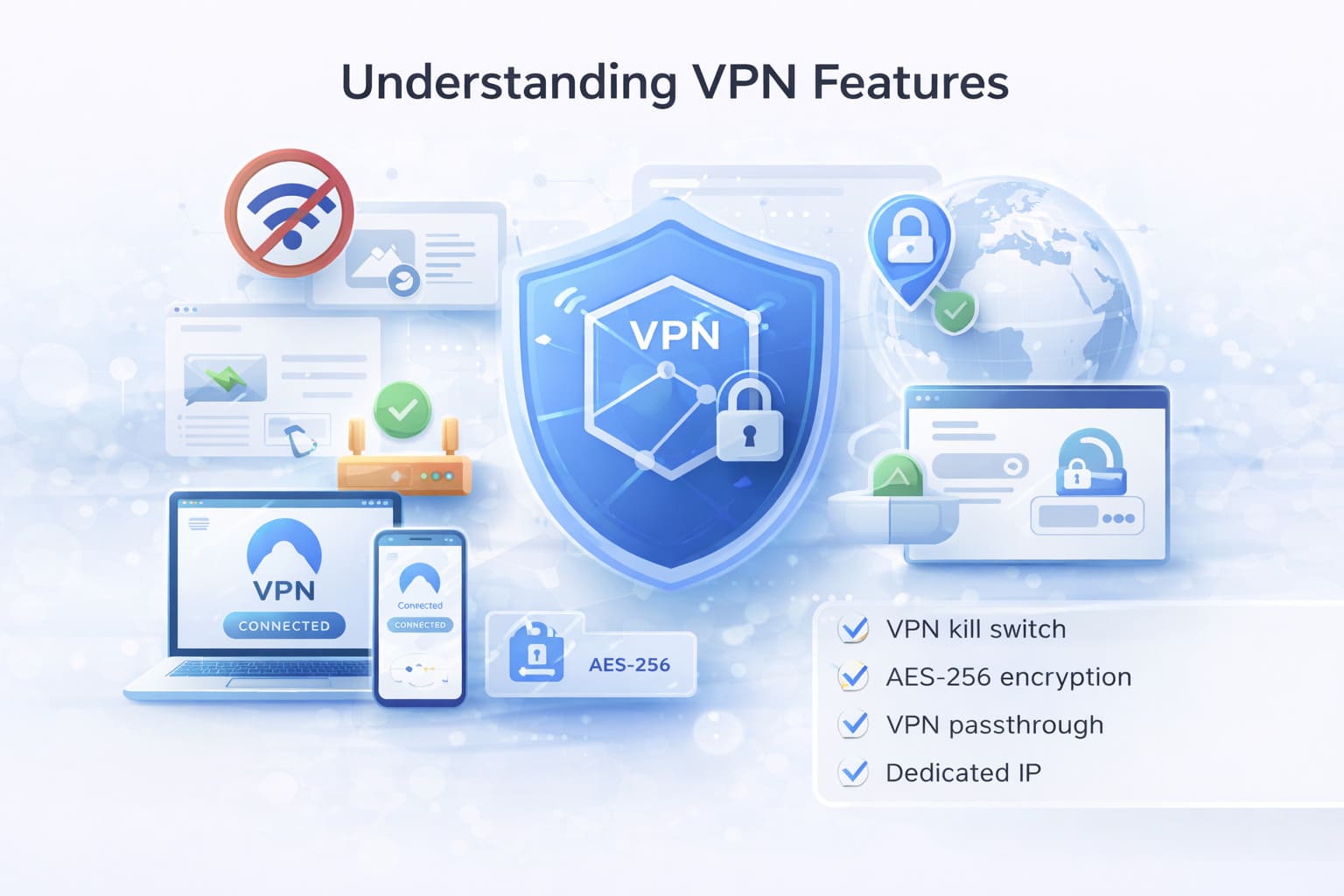
Most people don’t think about connection safety until something breaks. That’s exactly where the question of what is a vpn kill switch is becomes important.
A kill switch is not a complex feature — it’s a protection layer that works silently. If your VPN disconnects, even briefly, your actual connection can become exposed. This includes your IP address, location, and activity.
A kill switch removes that risk entirely. Instead of letting your device reconnect openly, it instantly blocks internet access until the secure tunnel is restored.
Think of it like an automatic emergency brake. You don’t notice it during normal use, but it becomes critical the moment something goes wrong.
👉 Tip: If you often switch networks (Wi-Fi → mobile), a kill switch becomes essential.
Why connection gaps are more dangerous than they seem
Many users assume a short disconnection doesn’t matter. In reality, even a 1–2 second gap can expose data.
For example:
- switching between networks
- unstable café Wi-Fi
- weak signal in public places
During that moment, your traffic may remain unsecured. This is exactly what the kill switch is designed to prevent.
So if you're still asking what is a vpn kill switch is, the simplest answer is: it protects you when your VPN fails, not when it works.
How encryption changes your internet traffic
Before looking at other features, it’s important to understand what is vpn encryption.
Encryption transforms your data into a format that cannot be read without a key. Instead of sending readable information, your device sends encoded data.
Modern VPNs use AES-256 encryption. This level of protection is considered extremely strong and is widely used in secure systems.
In practice, this affects your daily usage:
- Login details stay protected
- Financial operations become safer
- Browsing activity is harder to analyze
👉 Tip: Always check if a VPN clearly states its encryption standard.
When VPN passthrough becomes useful
Another feature users often encounter is what is vpn passthrough.
This function allows VPN traffic to pass through routers or networks that might otherwise block it. It becomes relevant when connections fail unexpectedly.
You may need it if:
- Your VPN doesn’t connect on certain networks
- Your office Wi-Fi has restrictions
- Your router limits VPN protocols
You won’t use it every day, but when something doesn’t work, this setting often solves the problem.
Understanding VPN concentrators without complexity
You might also come across the term what is a vpn concentrator. It sounds technical, but the idea is straightforward.
A VPN concentrator handles multiple secure connections at once. It’s commonly used in business environments where many users connect simultaneously.
For regular users, this system works in the background. You don’t interact with it directly, but it helps maintain:
- stable connections
- consistent performance
- efficient traffic handling
It’s one of the reasons large VPN networks can support millions of users.
Dedicated IP VPN and why it matters in specific cases
Most VPN users share IP addresses with others. However, a dedicated ip vpn gives you a unique address that only you use.
This changes how certain services interact with you.
It can help with:
- avoiding repeated login verification
- accessing banking apps without flags
- using business tools that require a stable identity
👉 Tip: If websites keep asking you to verify your identity, a dedicated IP can reduce that friction.
Which VPN features matter and what is a VPN kill switch
It’s easy to get lost in feature lists. However, only a few of them truly affect how a VPN feels in daily use.
If you're still thinking about what is a vpn kill switch is, it belongs to the group of essential features.
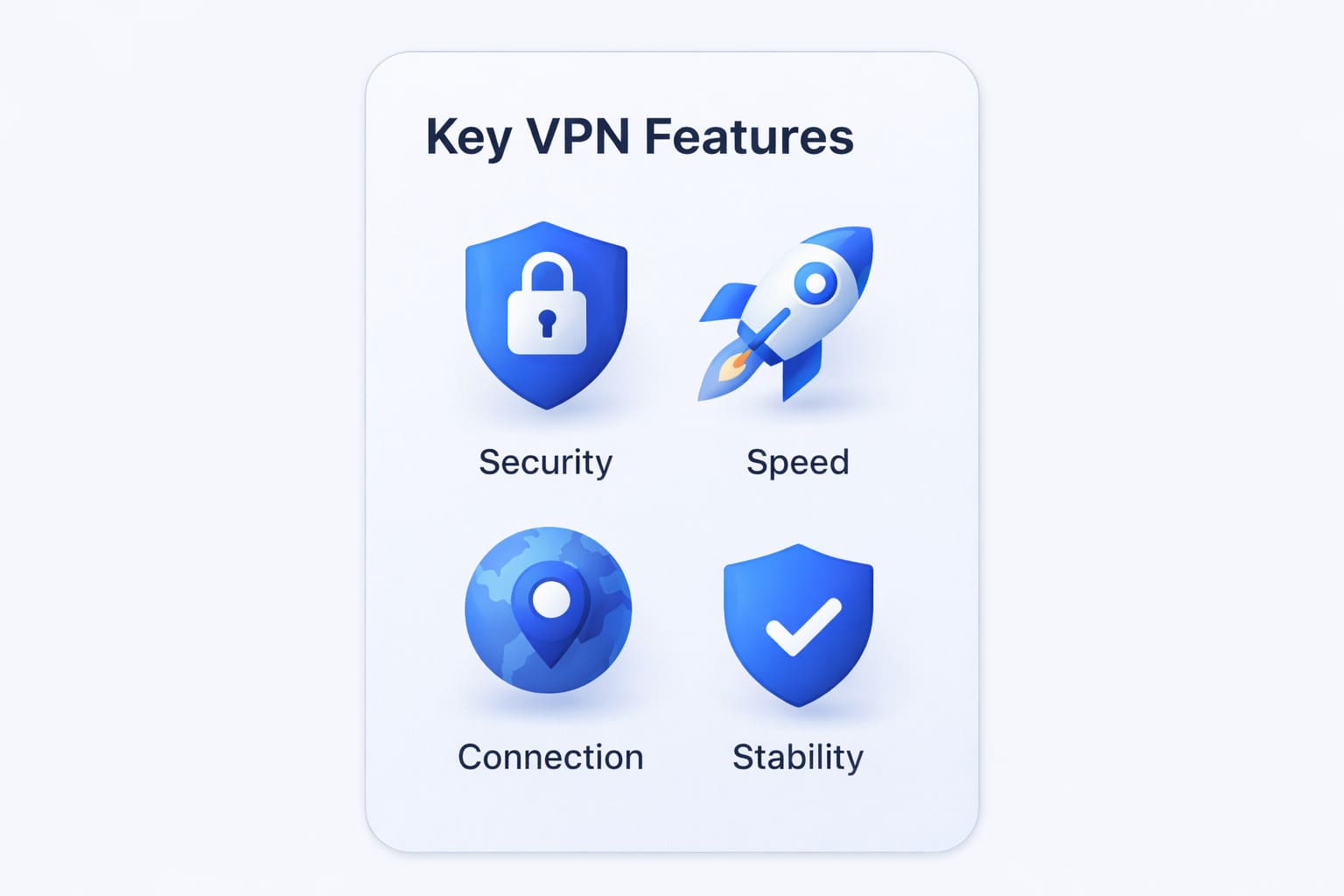
Focus on:
- encryption → protects your data
- kill switch → protects your connection
- server network → affects speed
- app stability → affects usability
Everything else is secondary.
Common concerns about VPN safety
Users often ask the same questions when choosing a VPN.
Which VPN is 100% safe?
No service can guarantee absolute safety. However, strong encryption and no-logs policies reduce risks significantly.
What is the most trusted VPN?
Trusted services usually have large user bases, transparent policies, and consistent performance.
What is the strongest VPN to use?
Strength depends on infrastructure, not just marketing claims.
Which is the most used VPN in the world?
Large providers with global networks tend to dominate usage.
What VPN do hackers recommend?
Advanced users usually choose VPNs that prioritize privacy and stability over flashy features.
VPN features in daily use and what is a VPN kill switch
It’s easy to think of VPN tools as technical extras. In reality, they directly shape how you experience the internet.
With the right setup, you get:
- safer browsing on public networks
- smoother streaming
- fewer tracking attempts
- better control over personal data
👉 Tip: Keep your VPN active in the background instead of turning it on manually.
Using VPN features effectively
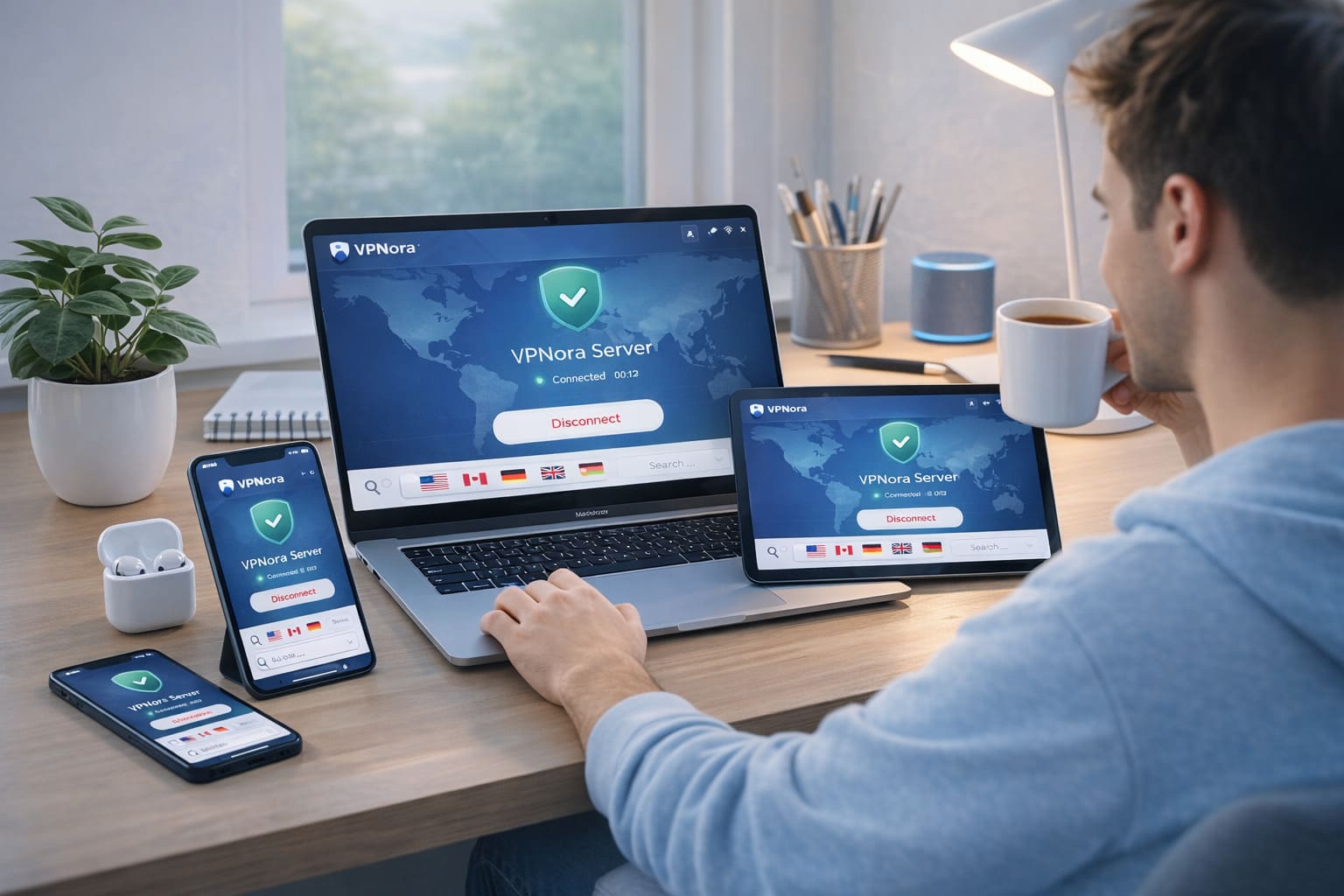
Knowing features is one thing. Using them correctly is what actually improves your security.
By now, you clearly understand what is a vpn kill switch is and why it plays a key role in keeping your internet activity secure.
You don’t need advanced setup. Most apps handle everything automatically.
What you should do:
- Enable the kill switch
- Use auto-connect on unknown networks
- Keep your app updated
Even these simple actions significantly improve your online safety.